 4 min read
Waymo: Inclusive Wayfinding Research
Research and design work supporting Waymo's Inclusive Design Challenge submission — testing wayfinding concepts with blind and low-vision riders across two rounds of research, contributing to Waymo's 2022 DoT Inclusive Design Award.

The Challenge
Getting to and boarding a self-driving car adds real friction for blind and low-vision riders who can't just look for a driver waving them over: Waymo's own service data showed 31.5% of rider pick-up journeys required walking more than 25 meters, across a mobility journey with seven distinct stages from arranging the trip to arriving at a destination. Kevin Malta's Waymo team needed research-backed wayfinding concepts validated with the riders who'd actually depend on them, in support of a submission to the U.S. Department of Transportation's Inclusive Design Challenge.
The Goal
Design and test wayfinding concepts against real proximity scenarios — a few blocks away, on the same block, right nearby — and translate research findings into design principles and next steps solid enough to support the DOT submission and guide what Waymo's product team built next.
The Solution
As a design and research consultant working with Waymo through Jack Strategy, I contributed to two rounds of research, selecting and testing five prototyped wayfinding concepts:
- improved in-app navigation with VoiceOver and TalkBack support and Google Maps turn-by-turn integration,
- purpose-built car sounds and melodies,
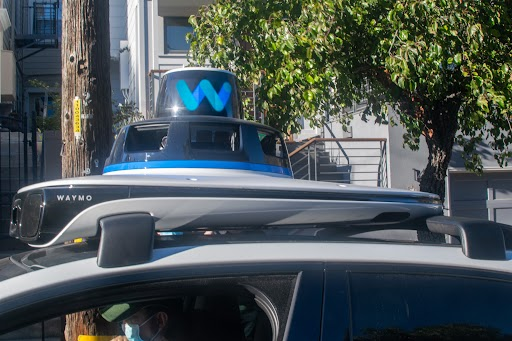
- light-based vehicle identification,
- hands-free in-car communication,
- video chat support with Rider Support agents.
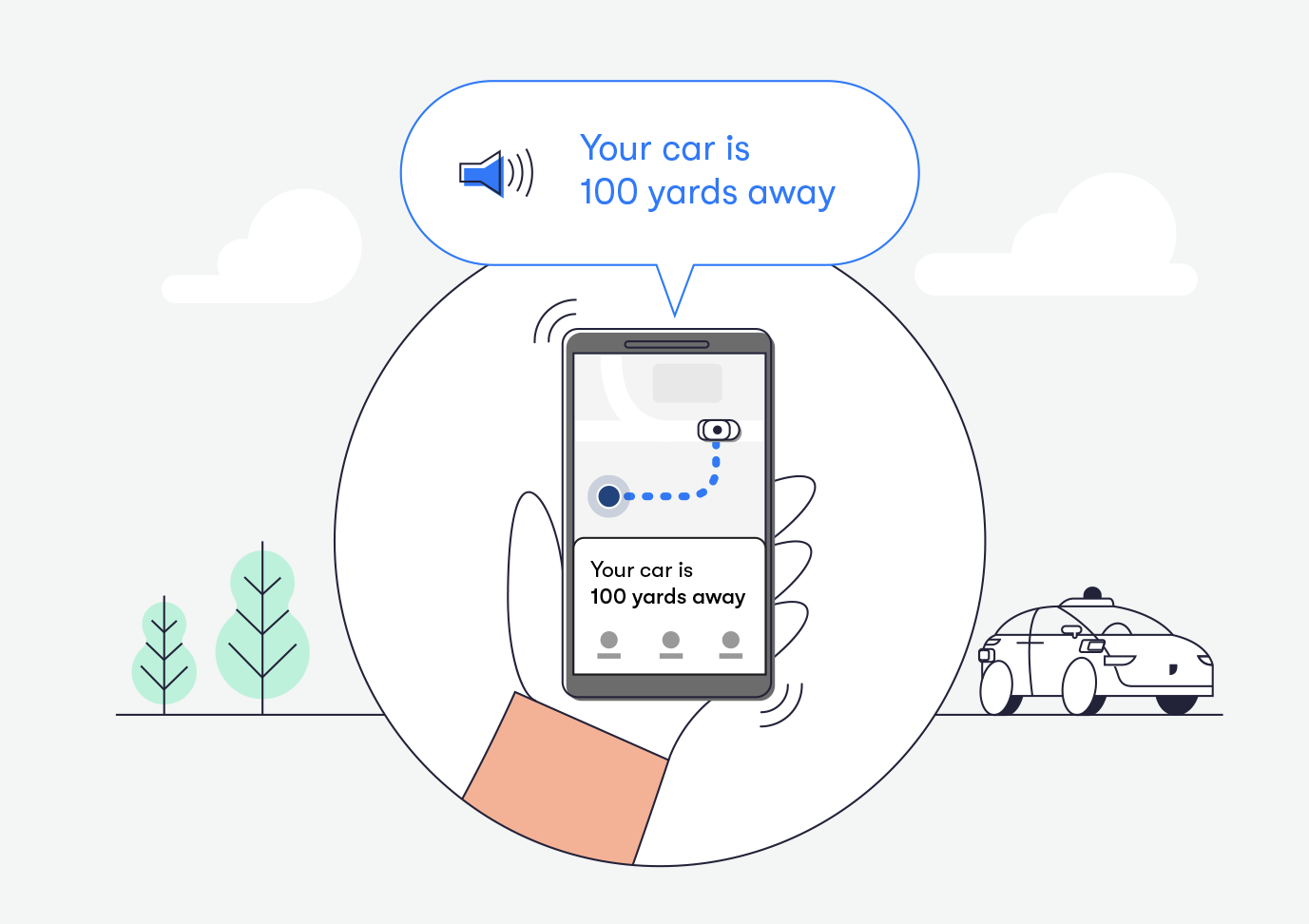
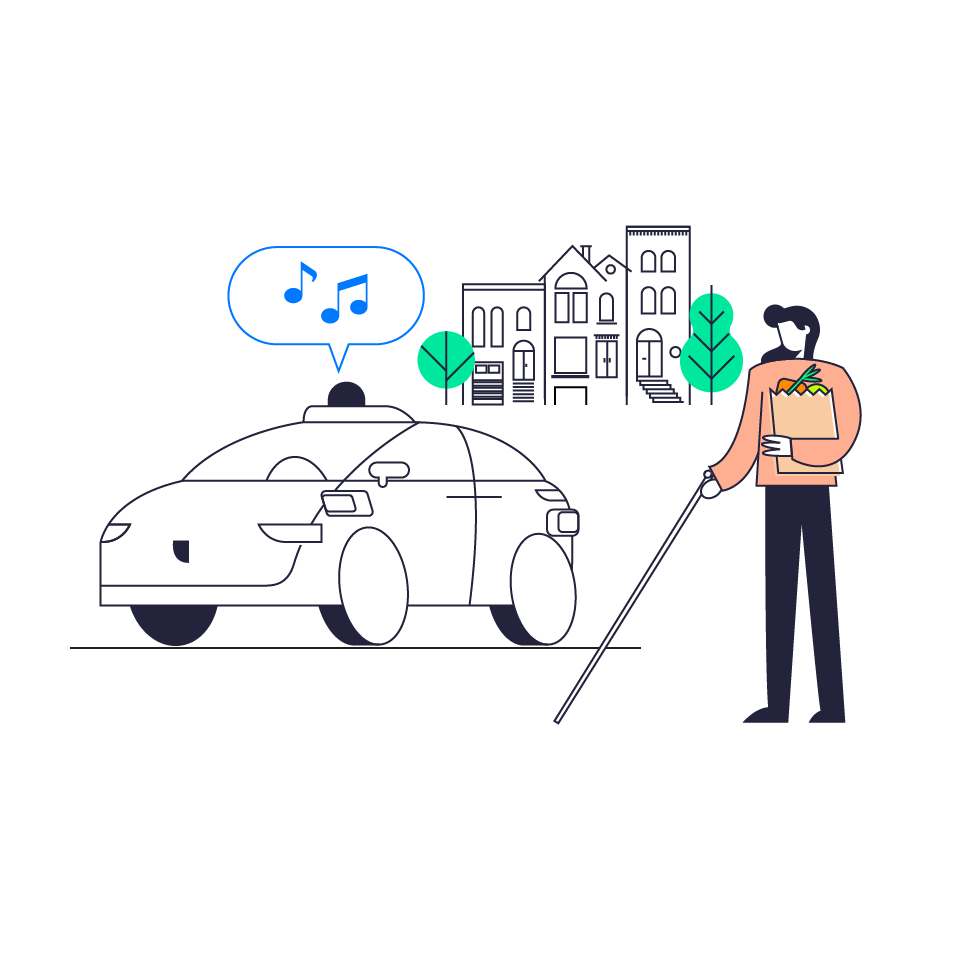
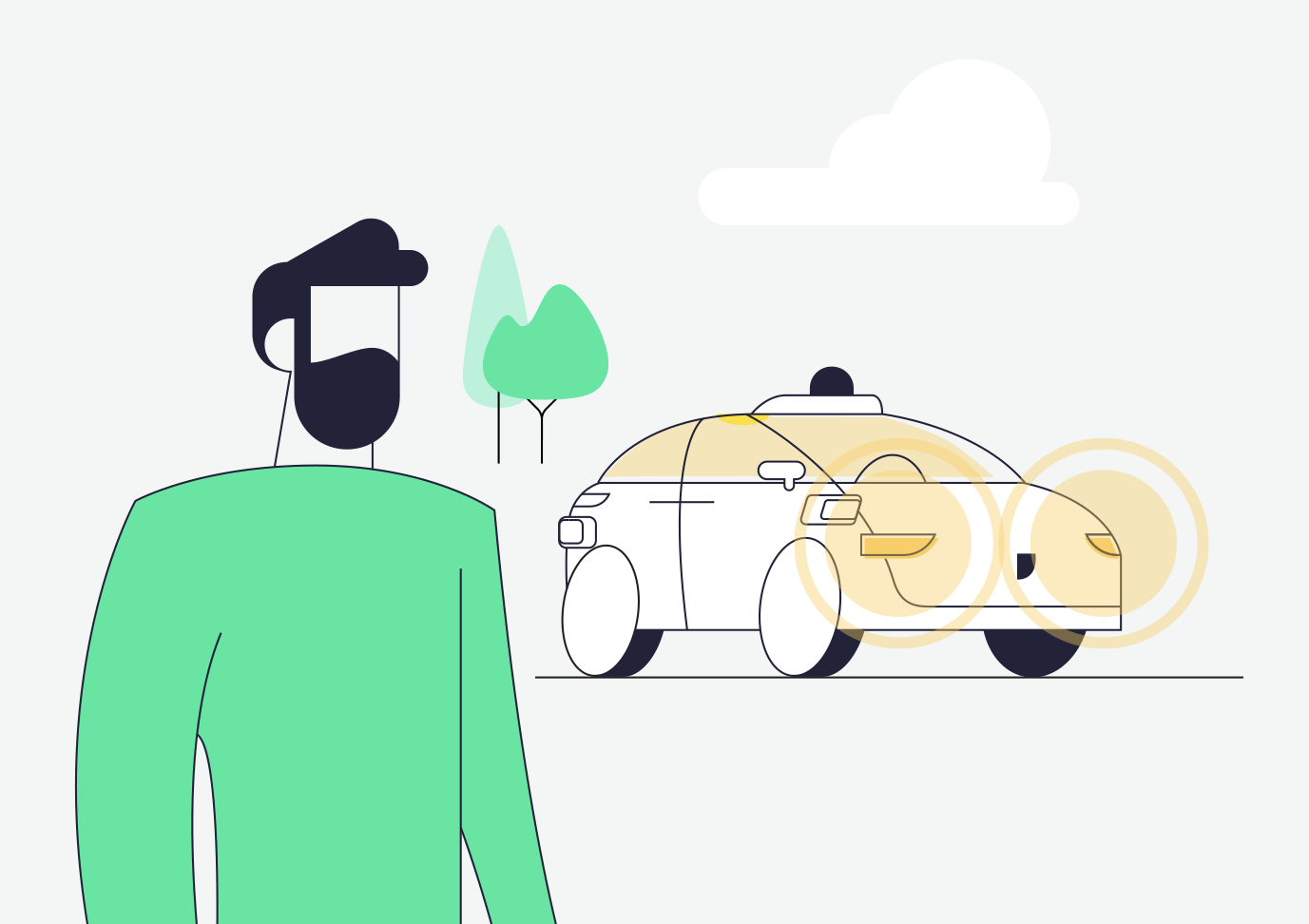
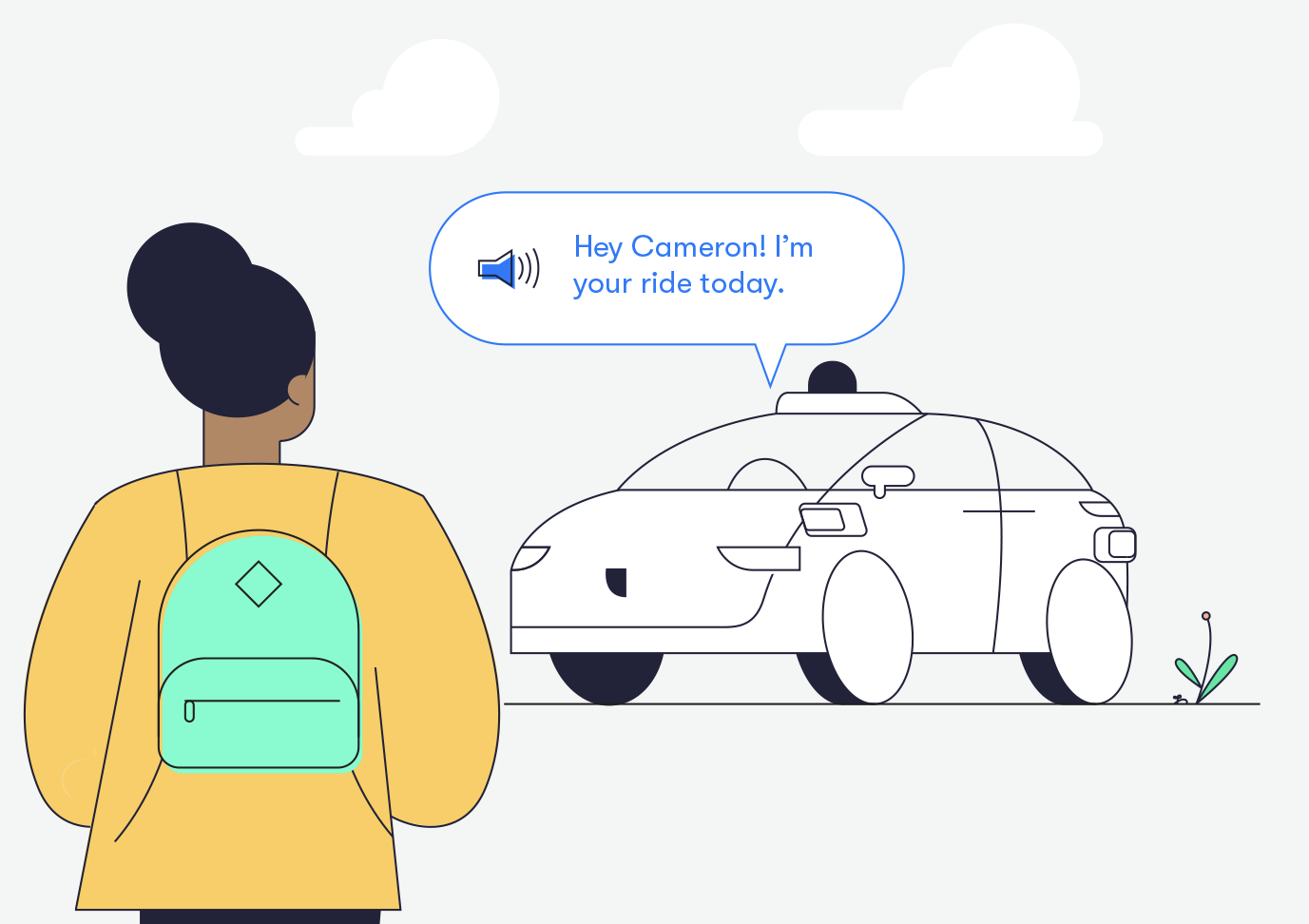
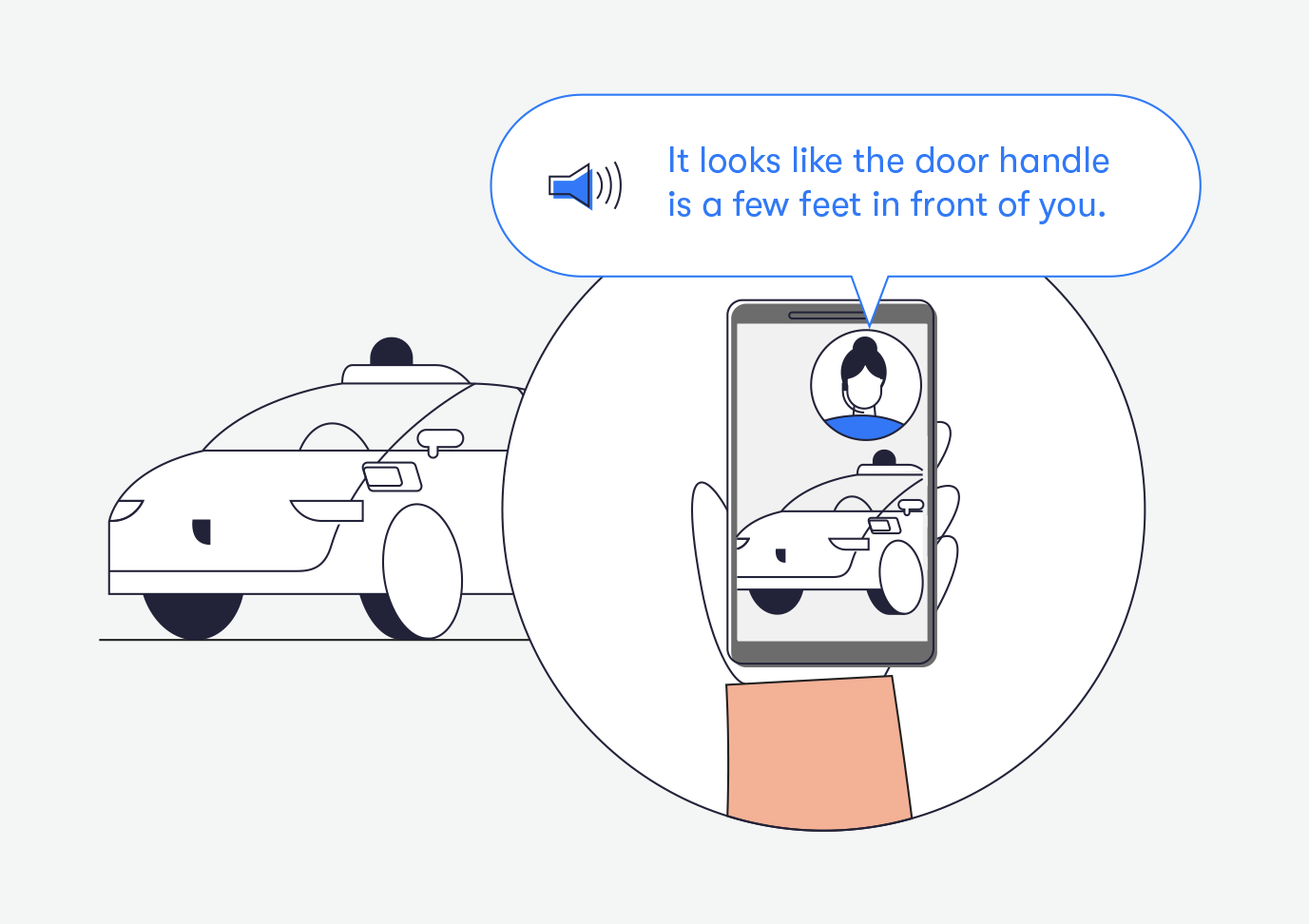
The five concepts: better app navigation, purpose-built car sounds, locating with lights, hands-free car comms, and video chat with Rider Support.
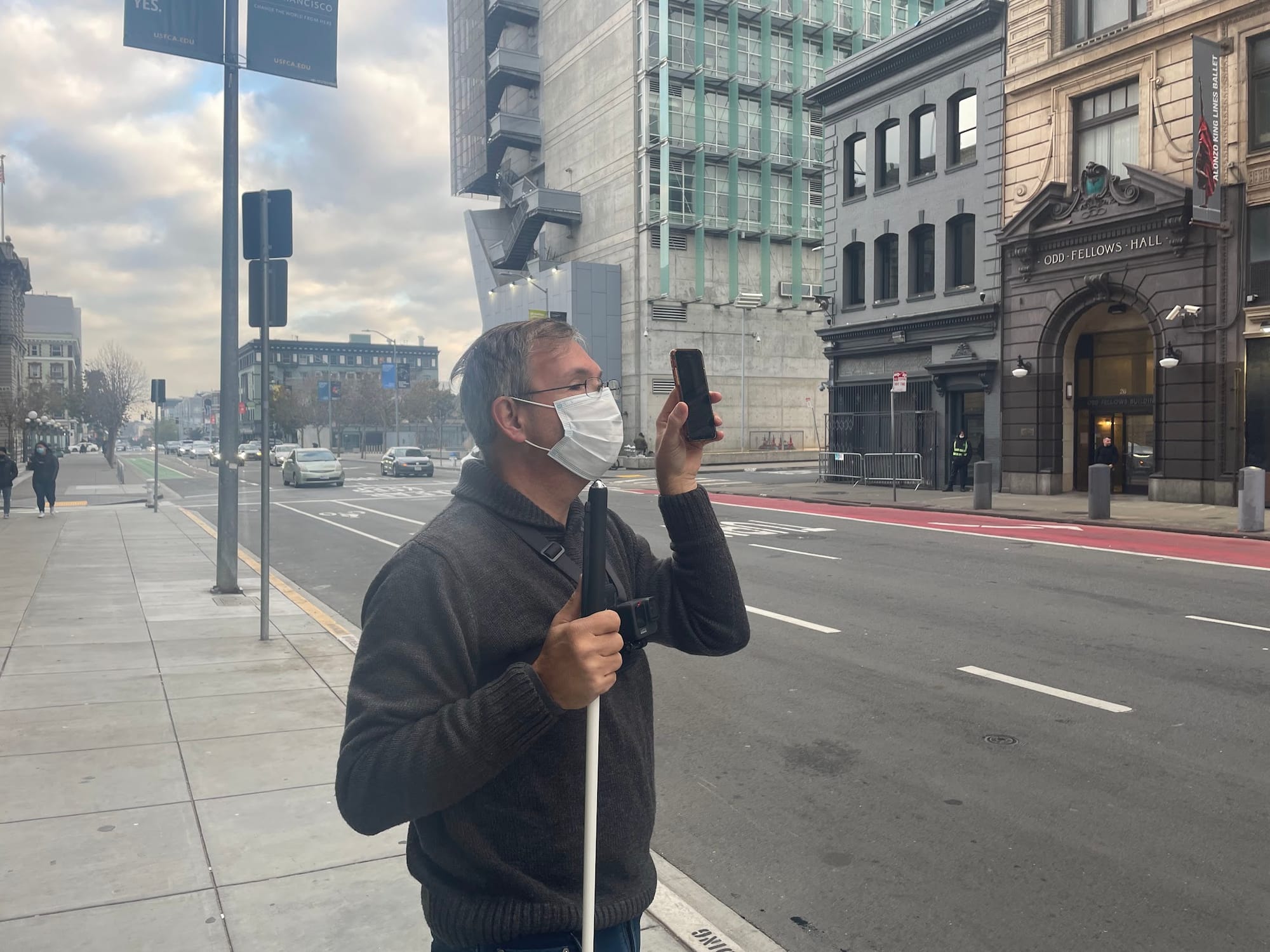
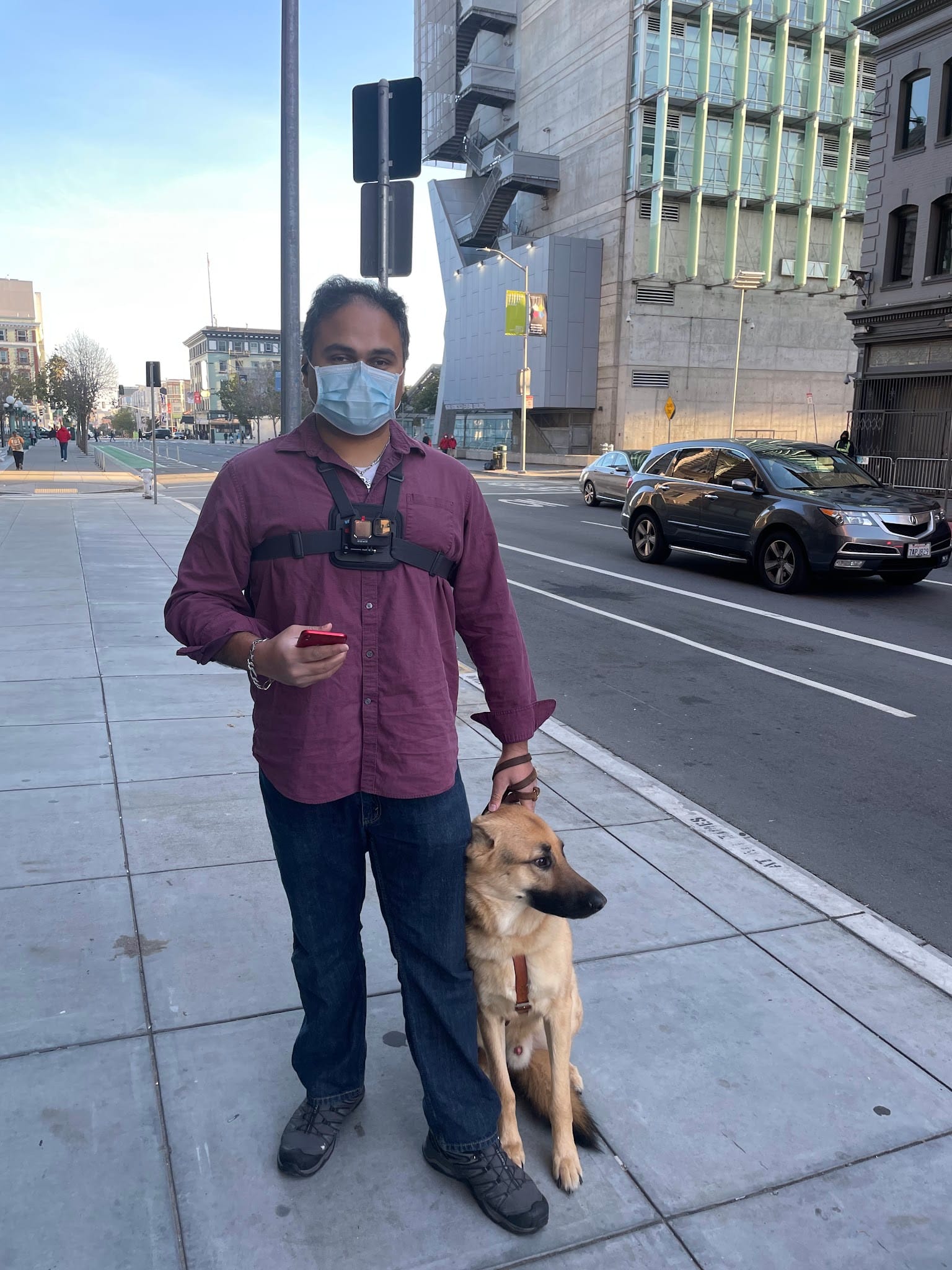
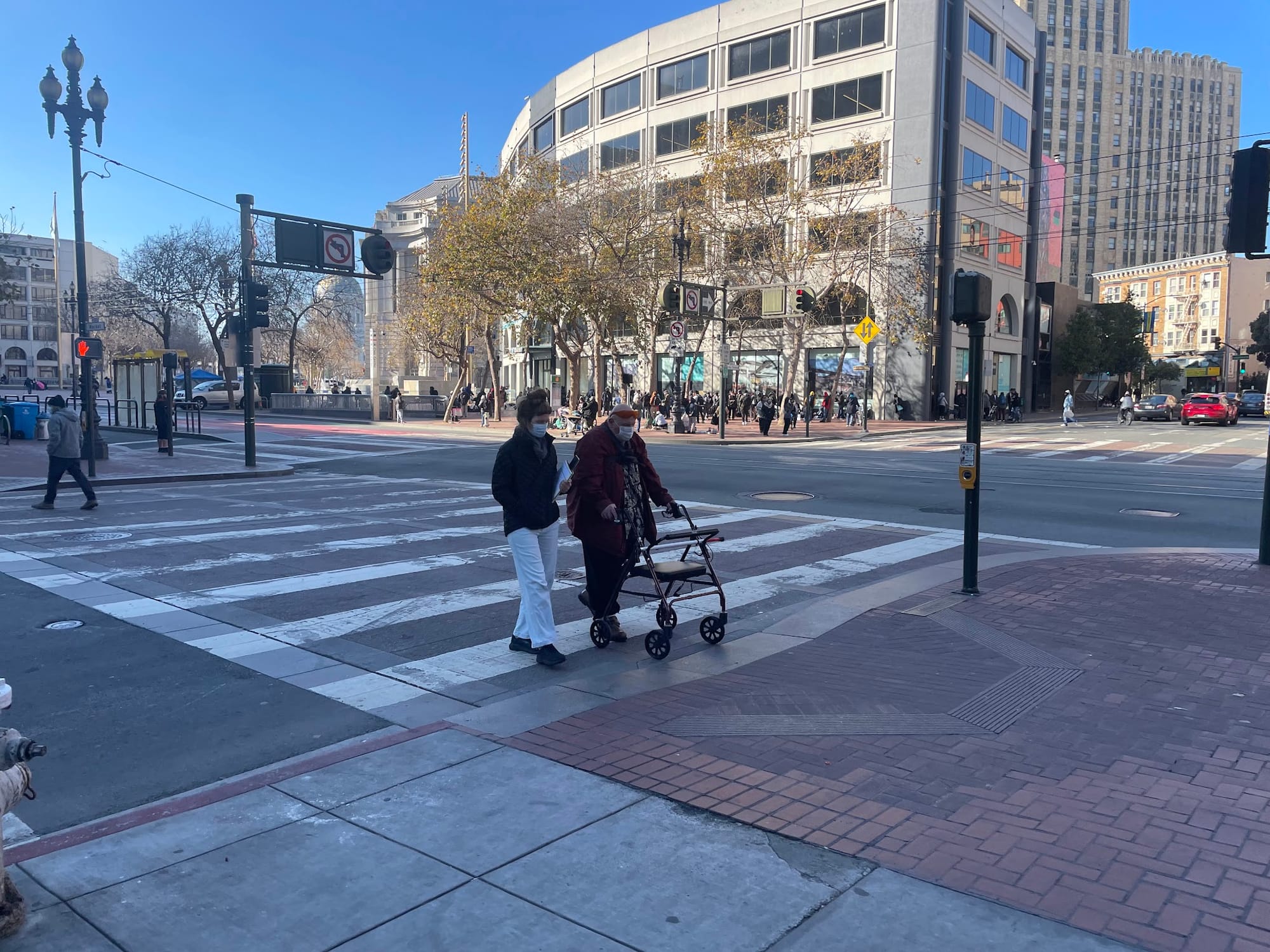
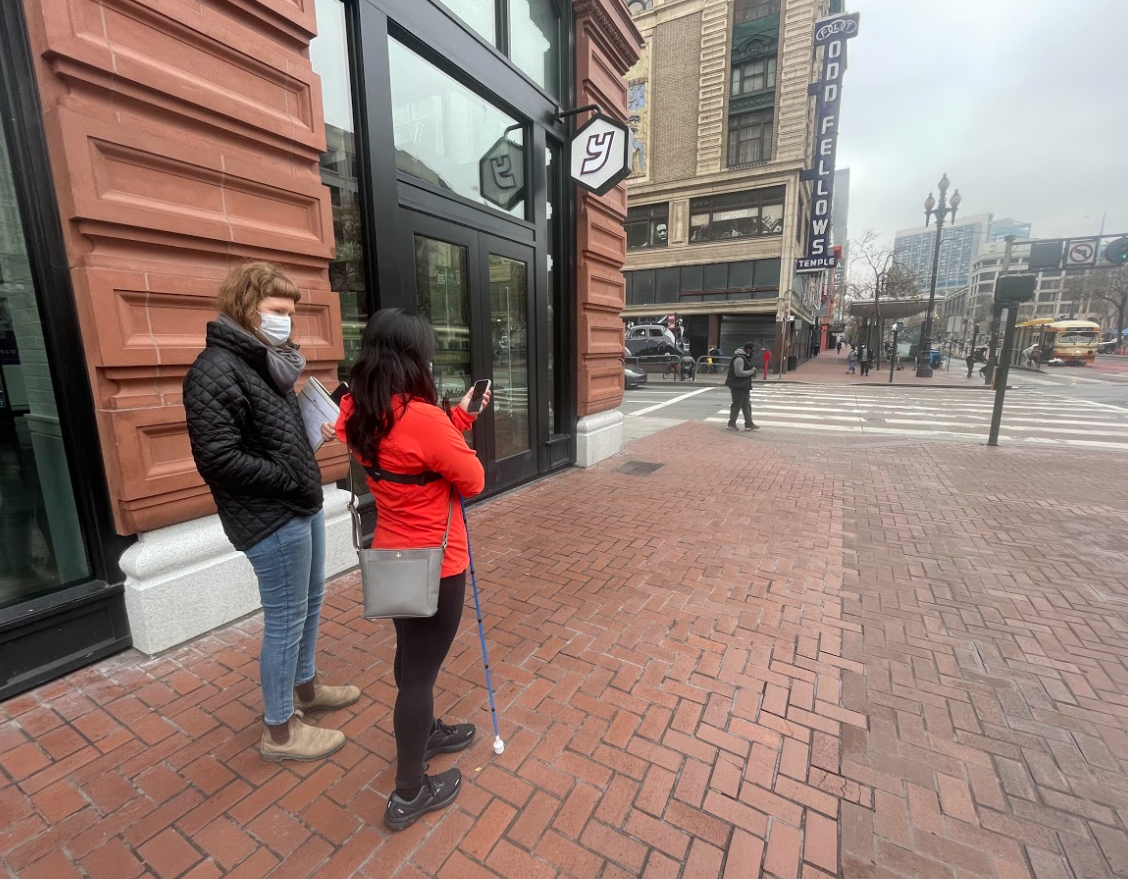
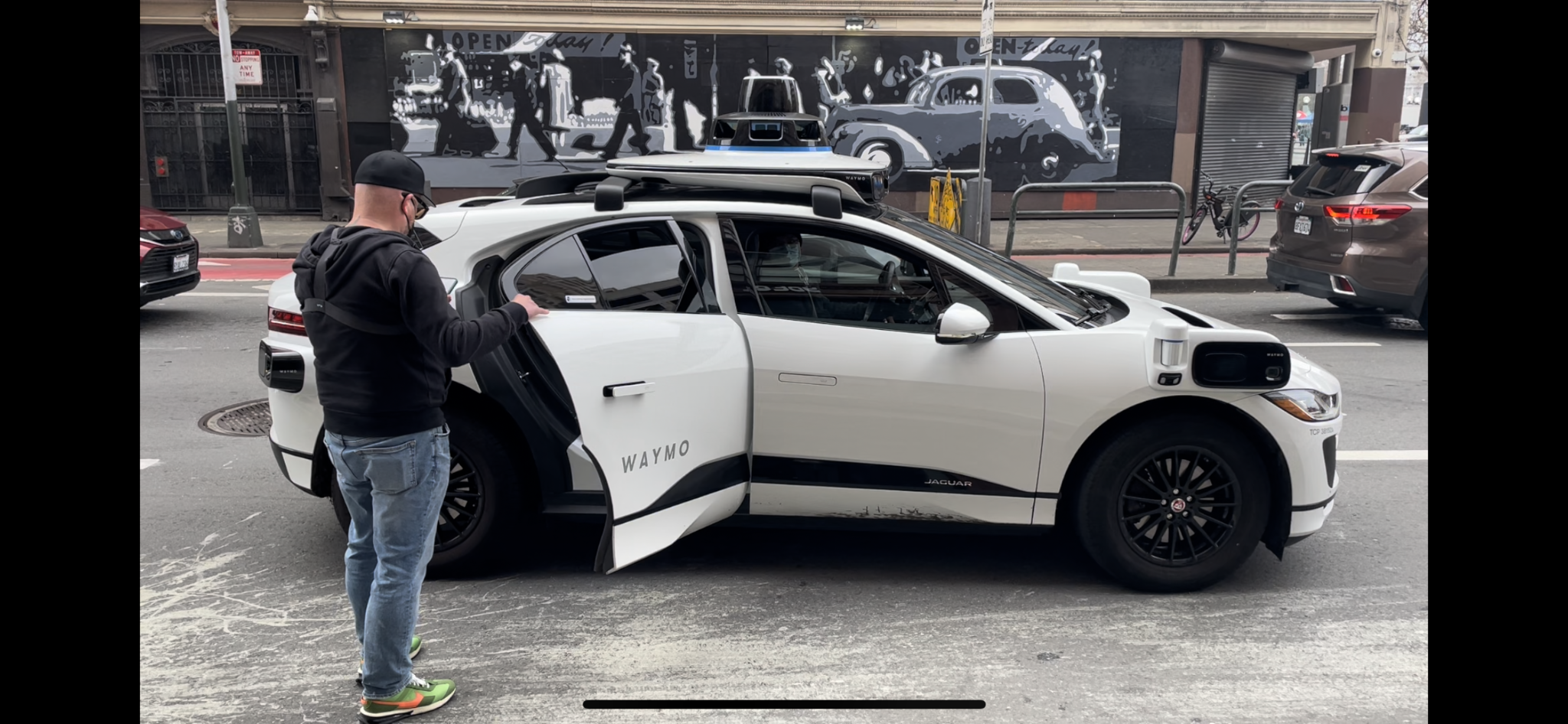
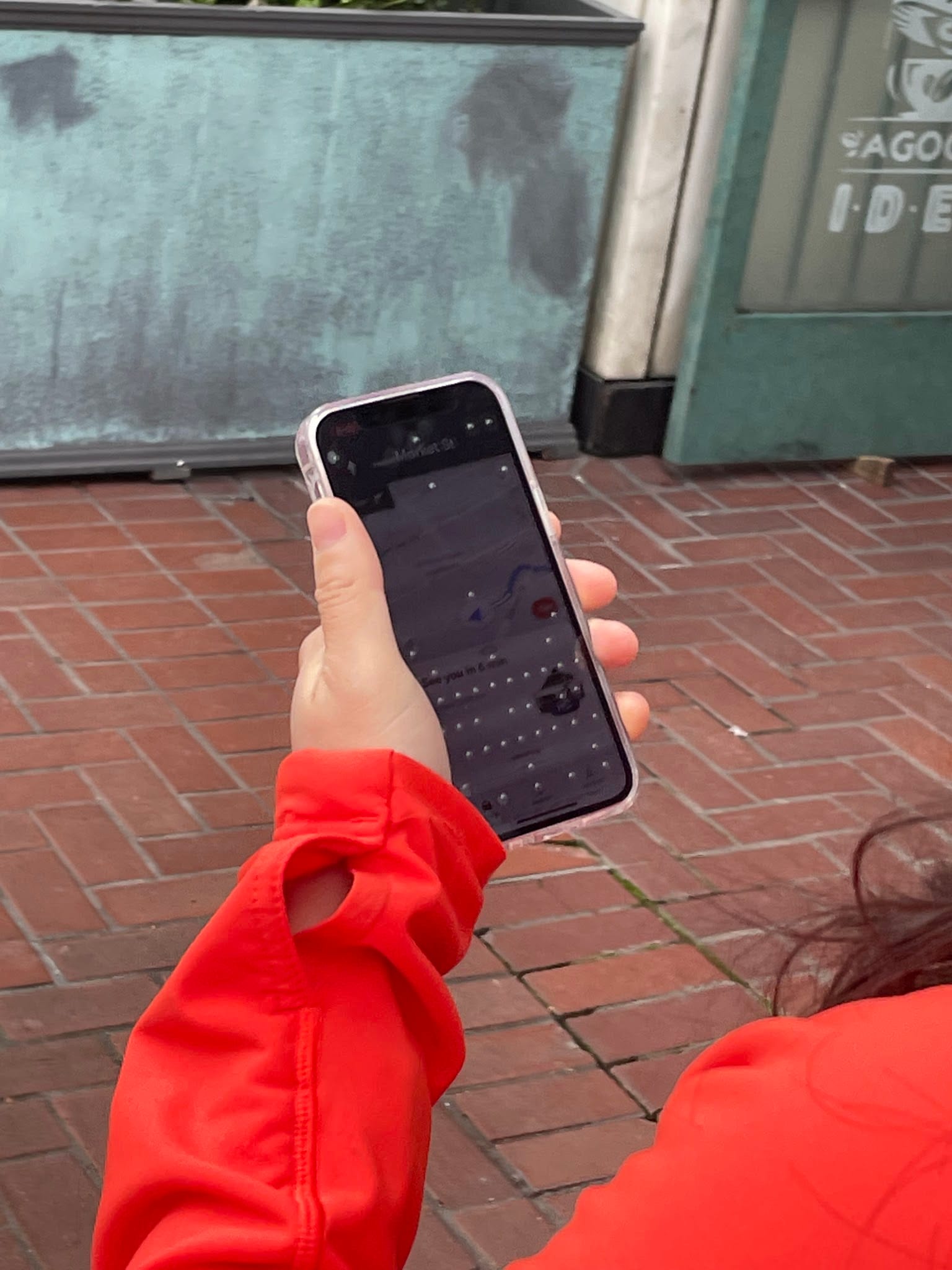
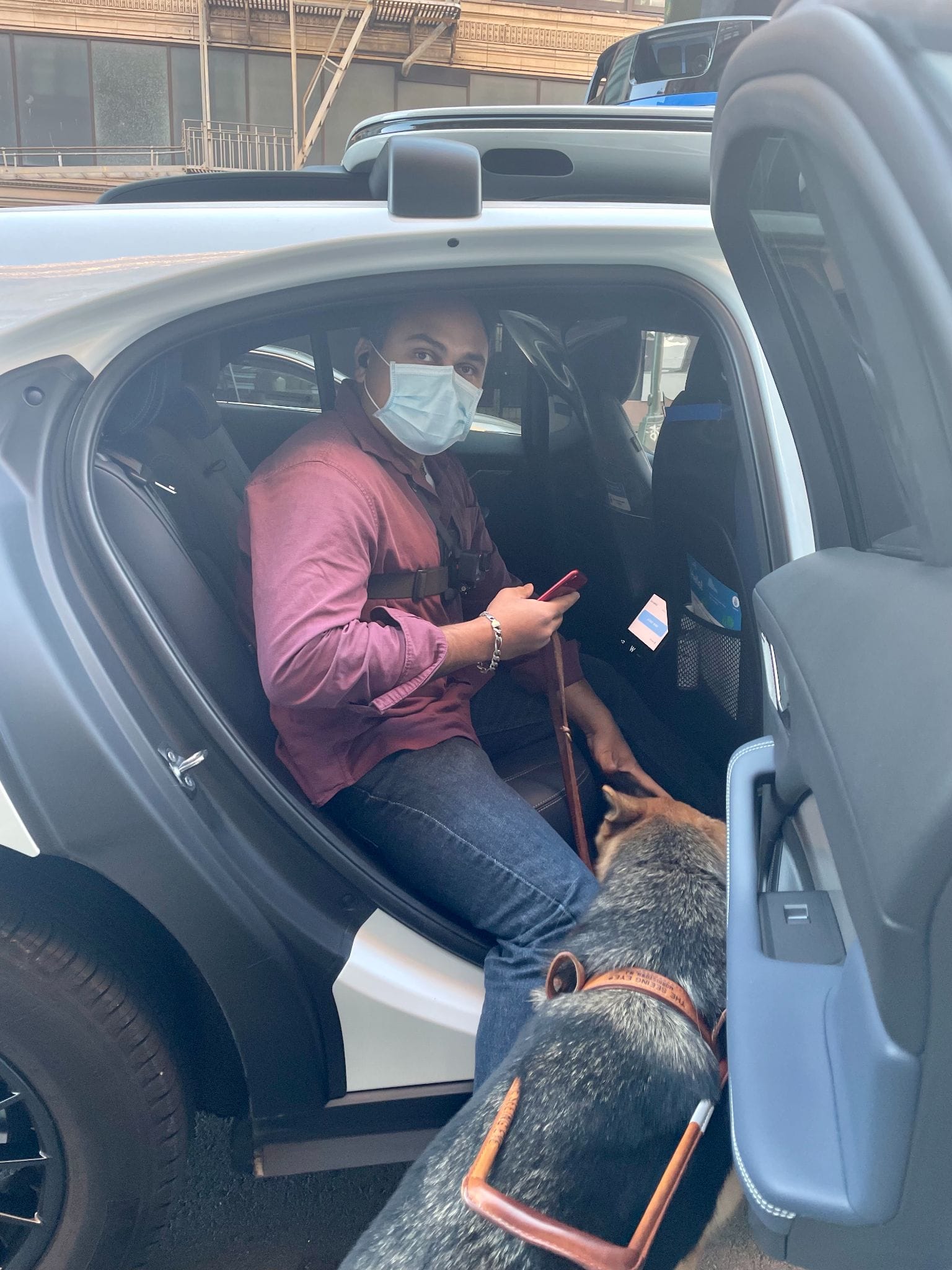
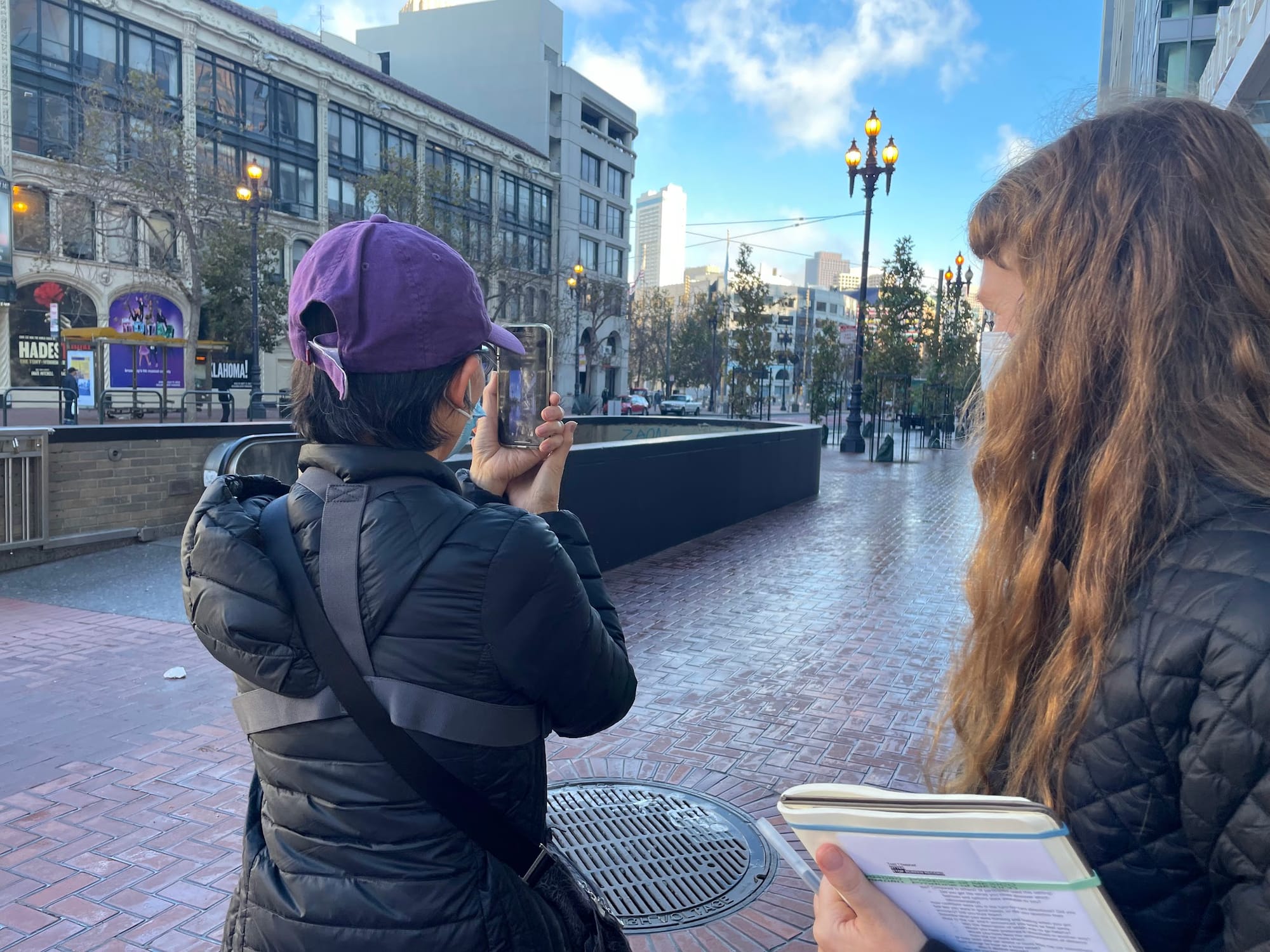
Round 1 ran ten in-person 90-minute interviews on Market Street in San Francisco, testing organic wayfinding, a honk-horn feature, and rider support tools directly with blind and low-vision participants.

Round 2 moved remote, simulating hands-free wayfinding with VoiceOver, low-GPS conditions, and post-ride orientation with another ten participants.


Prototype screens: turn-by-turn walking directions, car proximity, consolidated car controls, and Rider Support video chat.
The research surfaced personalized preferences — some testers wanted left/right directions with qualifiers like “bear” or “sharp” over clock-face or cardinal directions, on-demand rather than rate-limited melody replay, and curbside pickup even at the cost of extra walking distance, especially with a guide dog — and validated that video chat with Rider Support tested well even among initially skeptical participants.
Those findings shaped four design principles for the team:
- safe and comfortable over fast and close,
- flexibility over universality,
- preparedness over just-in-time discovery, and
- seamless integration over discrete moments.
The research fed directly into Waymo's Inclusive Design Challenge submission, which the DOT recognized with a 2022 Inclusive Design Award.
Gallery
Round 1 fieldwork on Market Street, San Francisco.